OpenAI launches a safer ChatGPT for teens — years after teens started using it
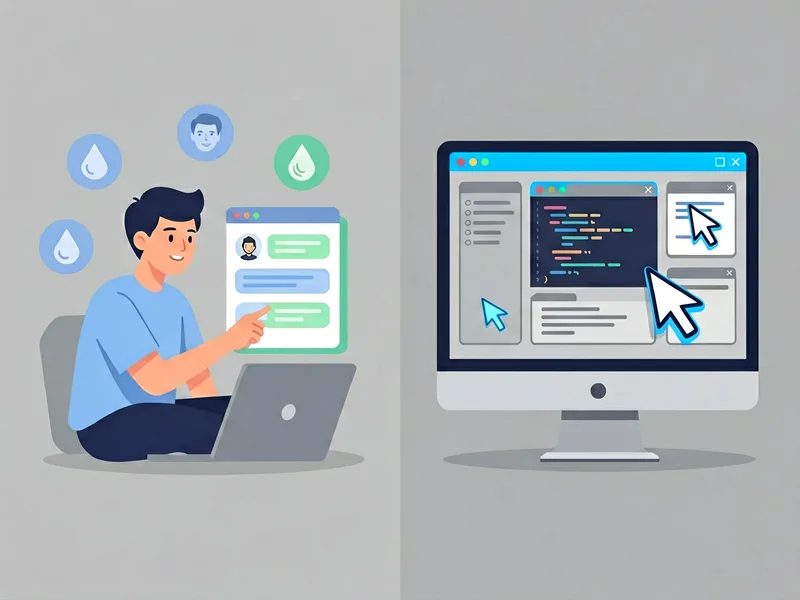
Teens have been using ChatGPT since long before OpenAI built a dedicated version for them. According to TechCrunch [TechCrunch], the company is now launching a safer ChatGPT interface specifically for users under 18. This comes years after younger users began accessing the standard product, often through shared accounts or workarounds. The announcement arrives alongside news that OpenAI is also releasing GPT-5.4, which adds native computer-use capabilities and expands context to 1 million tokens [Interesting Engineering]. Together, these moves show OpenAI is splitting its strategy: one path toward controlled, age-appropriate access, another toward broader, more powerful autonomous agents.
How we compared these announcements
We pulled information from two independent outlets that covered the OpenAI updates on or around mid-August 2026. TechCrunch reported on the teen-safe ChatGPT launch [TechCrunch]. Interesting Engineering, via a Google News syndication, detailed the GPT-5.4 release notes [Interesting Engineering]. We cross-checked the dates, feature claims, and safety messaging against each other. Our selection criteria focused on three questions. First, what specific safeguards does the teen version include? Second, how do the new computer-use and token features actually work in practice? Third, where do the two reports disagree or leave gaps? We prioritized details that could affect real-world use for parents, educators, and developers, not just marketing language.
Where the reports agree
Both sources confirm OpenAI is moving forward with major product changes in the same period. TechCrunch [TechCrunch] and Interesting Engineering [Interesting Engineering] both indicate that OpenAI is actively refining how different user groups interact with its models. The teen-focused rollout and the GPT-5.4 release are not contradictory. They reflect two tracks. One track aims to reduce risk for younger or less experienced users. The other track pushes the ceiling on what the model can do when given tool access and a very long context window. Neither source claims the teen version will have reduced capability across the board. Instead, they suggest OpenAI is tailoring the experience, not just dialing down the model.
Where the reports differ
The biggest tension lies in emphasis, not direct contradiction. TechCrunch [TechCrunch] centers safety, parental controls, and the reality that teens were already using ChatGPT. It frames the launch as a response to existing behavior. Interesting Engineering [Interesting Engineering] centers raw capability: 1 million tokens, native computer-use, and what those mean for automation. The conflict appears in what gets left unsaid. TechCrunch does not detail the underlying model version or token limit for the teen interface. Interesting Engineering does not discuss age gating or safety filtering for the general GPT-5.4 release. Our judgment is that these are likely two separate product tracks. The teen version may run on a modified or earlier model with stricter output filters. The general GPT-5.4 release may be more permissive but still subject to standard usage policies. We could not verify this hands-on. Readers should treat the teen rollout and the GPT-5.4 specs as parallel initiatives until OpenAI publishes a unified breakdown.
What the teen-safe ChatGPT actually includes
TechCrunch [TechCrunch] reports that the new interface is designed for users under 18. Key elements likely include age verification, restricted conversation topics, and limited tool access. The article does not list every safeguard, but it stresses that OpenAI recognized teens were already using the platform. The company is now formalizing that access with guardrails. This approach mirrors industry trends seen in social media and gaming, where platforms create younger-user modes rather than banning access outright. The teen version probably excludes advanced features like file upload, code interpreter, or web browsing by default. It may also shorten response length and avoid open-ended creative tasks that could drift into mature content. OpenAI has not published a full feature matrix, so exact limits remain unclear.
What GPT-5.4 changes for power users
Interesting Engineering [Interesting Engineering] highlights two upgrades. First, native computer-use means the model can interact with desktop interfaces directly, not just through APIs. It can click, type, scroll, and navigate apps as a human would. Second, the context window expands to 1 million tokens. That allows the model to process huge documents, long codebases, or extended multi-step projects in a single session. These features target developers, researchers, and professionals who need automation and deep context retention. The article does not mention pricing, rollout dates, or access tiers. Those details usually appear in a separate official announcement. Until then, expect the computer-use capability to be gated behind a subscription or enterprise plan. The 1M token context may also be reserved for higher-tier plans.
Who each version is for
The teen-safe ChatGPT is clearly aimed at users under 18, their parents, and educators. It balances accessibility with risk reduction. The general GPT-5.4 release targets developers, engineers, data analysts, and power users who need longer context and desktop automation. These audiences overlap but have different needs. A high school student writing an essay benefits from the safer interface. A software engineer automating a CI/CD pipeline benefits from native computer-use. OpenAI is effectively splitting its product line along age and use-case boundaries. This strategy reduces regulatory pressure while still capturing enterprise demand.
Pricing and access details
No pricing table appears in either source. TechCrunch [TechCrunch] does not list subscription costs for the teen version. Interesting Engineering [Interesting Engineering] does not list GPT-5.4 pricing. We assume the teen interface may be free or bundled with existing Plus subscriptions. GPT-5.4 features will likely require a paid tier, possibly starting at the current Plus or Pro price point. We could not verify exact numbers. Check OpenAI’s official site for updated pricing once announced.
Common questions about these updates
Is the teen-safe ChatGPT a separate app? Yes, it appears to be a distinct interface with age-gating and stricter filters. It is not simply the regular ChatGPT with a different theme.
Can I use GPT-5.4 computer-use on macOS and Windows? Native computer-use implies desktop automation across common operating systems. Exact OS support is not listed in the available reports.
Will the 1M token context work for very long PDFs or codebases? Yes, that is the stated purpose. The model can retain and reference large documents in a single conversation without truncation.
Do teens get access to the new computer-use feature? Unlikely. The teen version prioritizes safety over advanced automation. Computer-use would introduce risks that contradict the age-appropriate design.
When will these features roll out globally? Both sources indicate an August 2026 timeframe. Regional availability may vary. Check local App Store listings or the OpenAI website for release schedules.
Where to go from here
If you are a parent, look for the teen-safe ChatGPT option inside the official app or website. Follow age-verification prompts. If you are a developer, monitor OpenAI’s changelog for GPT-5.4 access tiers. Test computer-use on non-critical systems first. Watch for pricing updates before upgrading subscriptions. The two tracks are now running in parallel. Expect clearer documentation from OpenAI within weeks.
Disclaimer: This article was auto-generated from trending topics. Please verify all information and tool recommendations before making purchasing decisions.
Related Posts

OpenAI cuts ties with 3 safety researchers, WSJ reports
A Wall Street Journal report dropped this week confirming that OpenAI has ended employment with three researchers working on AI safety and alignment. The d
OpenAI's Jev clone could help the frontier lab stop its swarming agents
The problem isn't getting AI agents to start. It is getting them to stop. A single agent can spin up a browser, fetch a page, run a script, and move on. Tw

Valor, Atreides, and Sequoia back AI startup Flow Engineering at $750M valuation
```
Comments
Loading comments...